
German words from category: A1 Level (303)
| Word | Translation | Example | Difficulty | Image | |
|---|---|---|---|---|---|
| die Tomate | tomato | Ich esse gern eine frische Tomate zum Frühstück. | A1 | 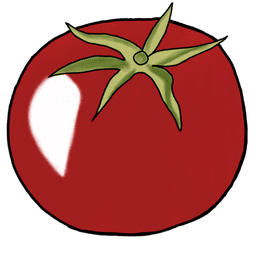 | |
| der Brokkoli | broccoli | Wir haben schon viel Brokkoli. | A1 | 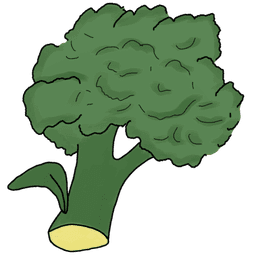 | |
| die Gurke | cucumber | Ich schneide die Gurke für den Salat. | A1 | 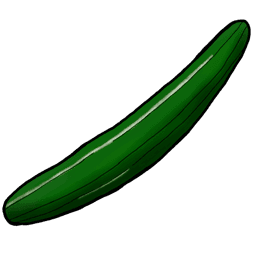 | |
| die Paprika | bell pepper / capsicum | Die Paprika liegt auf dem Küchentisch. | A1 | 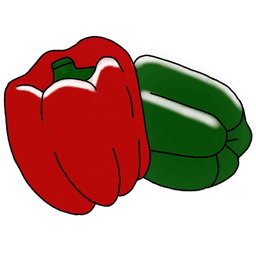 | |
| die Kartoffel | potato | Die Kartoffel ist groß und rund. | A1 | 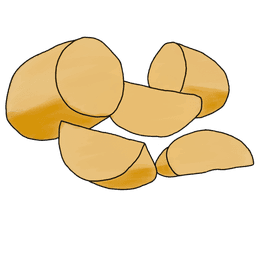 | |
| der Kürbis | pumpkin | Der Kürbis ist sehr schwer. | A1 | 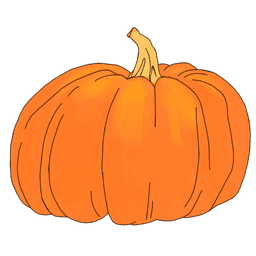 | |
| das Zucchini | zucchini | Ich kaufe eine Zucchini. | A1 | 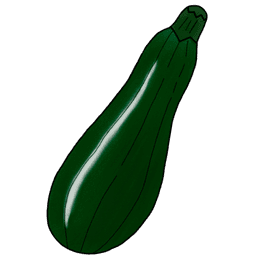 | |
| der Aubergine | eggplant | Ich kaufe eine Aubergine. | A1 | 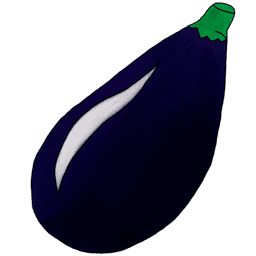 | |
| der Weißkohl | white cabbage | Ich kaufe eine Weißkohl. | A1 | 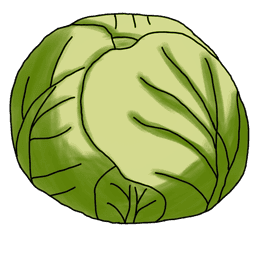 | |
| die Süßkartoffel | sweet potato | Die Süßkartoffel ist lecker. | A1 | 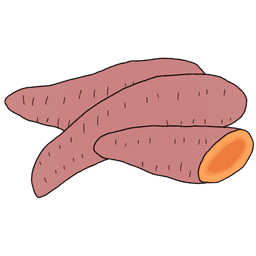 | |
| die Karotte | carrot | Die Karotte ist orange. | A1 | 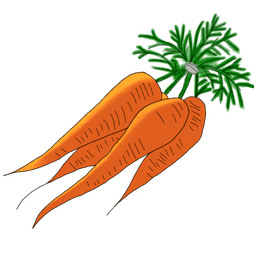 | |
| die Spitzpaprika | pointed pepper | Ich esse gern Spitzpaprika. | A1 | 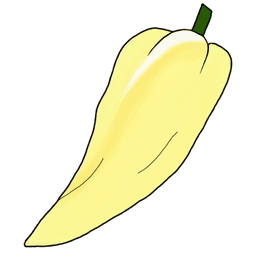 | |
| der Apfel | apple | Der Apfel ist süß. | A1 | 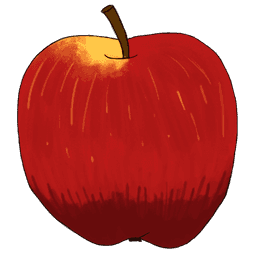 | |
| die Kirsche | cherry | Die Kirschen sind rot. | A1 | 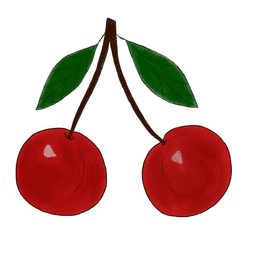 | |
| die Pflaume | plum | Die Pflaume ist weich. | A1 | 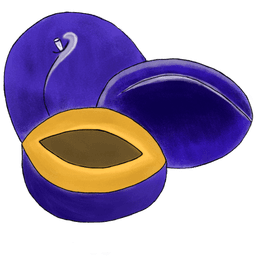 | |
| der Pfirsich | peach | Der Pfirsich riecht gut. | A1 | 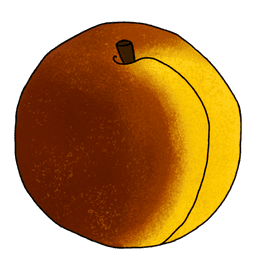 | |
| die Banane | banana | Die Banane ist gelb. | A1 | 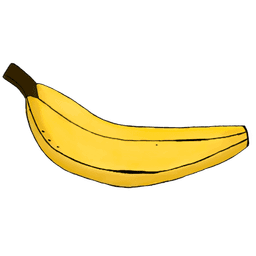 | |
| die Birne | pear | Die Birne ist saftig. | A1 | 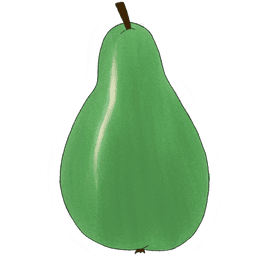 | |
| die Aprikose | apricot | Die Aprikosen sind süß. | A1 | 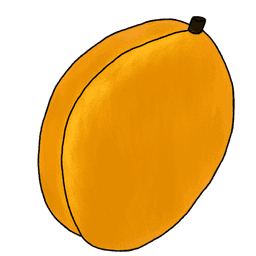 | |
| das Hemd | shirt | Das Hemd ist sauber. | A1 |  | |
| das Kleid | dress | Das Kleid ist schön. | A1 | 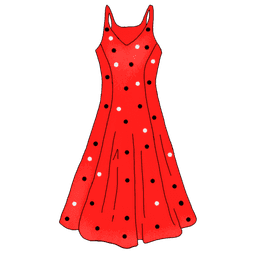 | |
| das Poncho | poncho | Das Poncho ist warm. | A1 |  | |
| die Regenjacke | rain jacket | Die Regenjacke ist leicht. | A1 | 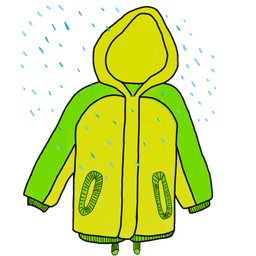 | |
| der Rock | skirt | Der Rock ist lang. | A1 |  | |
| das T-Shirt | T-shirt | Das T-Shirt ist blau. | A1 | 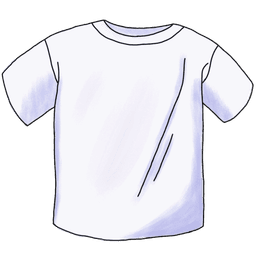 | |
| die Bluse | blouse | Die Bluse ist rot. | A1 | 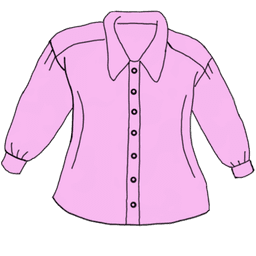 | |
| die Jeans | jeans | Die Jeans ist bequem. | A1 |  | |
| der Pullover | sweater / pullover | Der Pullover ist warm. | A1 | 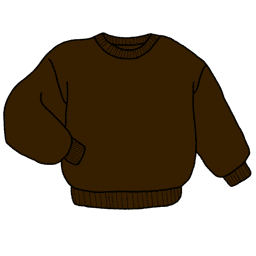 | |
| die kurze Hose | shorts | Die kurze Hose ist bequem. | A1 | 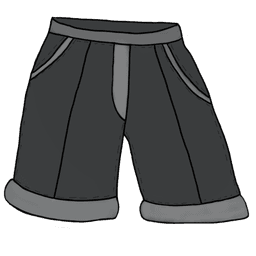 | |
| die Erdbeere | strawberry | die Erdbeere ist rot. | A1 | 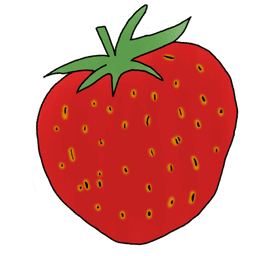 |
Learning A1-level vocabulary is the first step toward confident language use. At this level, basic words are studied that help with everyday communication. This includes simple nouns, verbs, adjectives, and fixed phrases necessary for understanding the language and writing simple texts.
For beginners, it is important to gradually expand vocabulary, starting with the most frequently used words. For example, words to describe yourself, your family, home, food, work, and hobbies are included. Words for expressing time, dates, weather, and emotions are also studied. This approach helps to understand speech faster and build simple sentences.
The methodology for learning A1 vocabulary includes repetition, flashcards, reading short texts, and listening to audio. It is important not only to memorize translations but also to learn to use words in context. This helps consolidate knowledge and makes learning effective and engaging.
Starting from A1 level, you can gradually move on to more complex vocabulary of A2 and B1 levels. Basic vocabulary is the foundation for further language learning, and regular practice helps quickly improve communication skills.
The “A1 Vocabulary” category is ideal for self-study or lessons with a teacher. It allows you to master the first 500–800 words needed for everyday communication, understanding simple texts, and participating in basic conversations in a new language.
Learning A1 vocabulary is an easy and engaging way to start speaking and understanding a language. Start simple, repeat regularly, and use words in real life to confidently progress to higher levels.